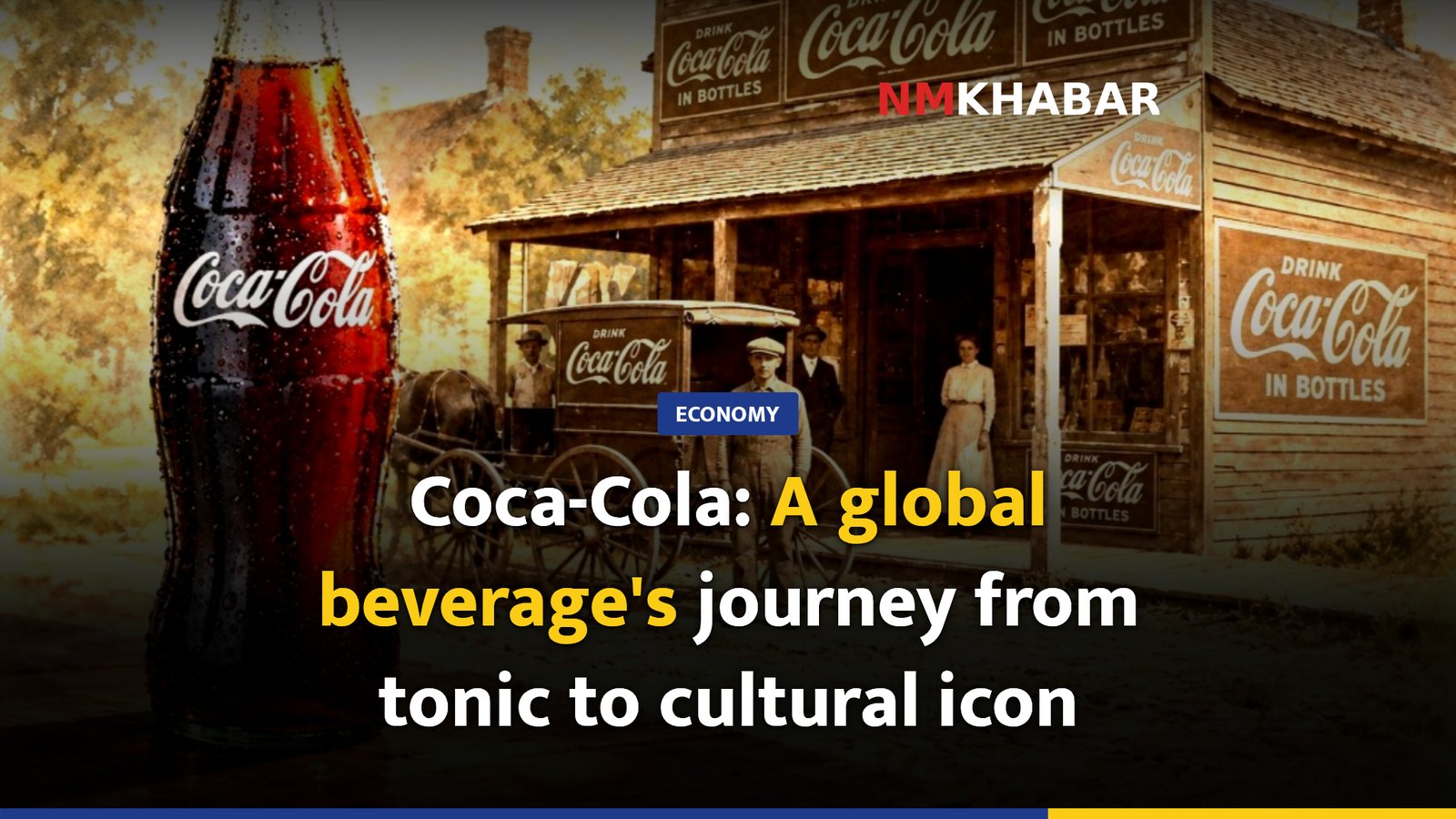
Invented in 1886 by an American pharmacist, Coca-Cola has evolved from a medicinal tonic containing cocaine to a global beverage icon, shaping advertising and culture worldwide. The Coca-Cola Company, headquartered in Atlanta, Georgia, United States, now boasts over 200 brands and employs more than 700,000 people globally.
Dr. John S. Pemberton, an American pharmacist, created Coca-Cola in 1886. During its first year, the beverage sold an average of only nine glasses per day. Frank M. Robinson, Pemberton’s bookkeeper and business partner, not only suggested the name “Coca-Cola” but also penned its now-famous script logo in his distinctive handwriting.
Early versions of Coca-Cola historically contained cocaine derived from coca leaves, a practice that ceased by 1903. The drink’s original name reflected its primary ingredients: “Coca” from coca leaves and “Cola” from kola nuts. Initially marketed as a “nerve tonic” to alleviate fatigue, it was also promoted with various health claims.
Pemberton, who became addicted to morphine after being wounded in the American Civil War, believed his tonic could help combat addiction. He died in August 1888 at the age of 57 from stomach cancer.
In 1889, Asa Griggs Candler purchased the formula and brand for $2,300, establishing the company’s office in Atlanta in 1892. The iconic red colour of Coca-Cola’s logo was initially used due to old tax laws to differentiate it from alcohol during shipping.
The famous contoured Coca-Cola bottle design was developed in 1915 and began appearing on the market in 1916. This distinctive shape was reportedly inspired by the cocoa fruit, based on a misconception about one of the beverage’s ingredients.
The company’s long-standing association with the Olympic Games began in 1928 at the Amsterdam Olympics. Coca-Cola also played a significant role in popularising the modern image of Santa Claus; while Santa appeared in its advertisements from the 1920s, the cheerful, red-suited figure widely recognised today was developed by artist Haddon Sundblom starting in 1931.
The original formula for Coca-Cola has been kept a closely guarded secret for decades. In 2011, the formula was relocated to the Coca-Cola Museum in Atlanta. Today, Coca-Cola products are available in over 200 countries and territories worldwide. The company states that its various beverages collectively account for approximately 2.2 billion servings consumed daily.
The Coca-Cola Company’s brand value exceeds $83.8 billion, surpassing the combined value of KFC, Subway, and Budweiser. Coca-Cola is not sold in just two countries globally: North Korea and Cuba. Mexicans consume more Coca-Cola than any other nation, with an average of approximately 745 Coca-Cola beverages per person annually.
The company has faced significant product-related events and controversies throughout its history. In 1985, “New Coke” with an altered flavour was introduced, leading to widespread consumer backlash. The company quickly responded by reintroducing the original flavour as “Coca-Cola Classic” in July 1985.
During World War II, when ingredients for Coca-Cola became scarce in Germany, the company developed a new beverage using locally available materials, which ultimately led to the creation of Fanta.
Coca-Cola has also encountered legal challenges, including a lawsuit in Colombia alleging violence against workers and violations of labour rights. The company denied these accusations, and a US court later dismissed the claims against it. In the United States, Coca-Cola faced a major racial discrimination lawsuit in 1999, filed by Black employees who alleged disparities in pay, promotions, and job opportunities.